
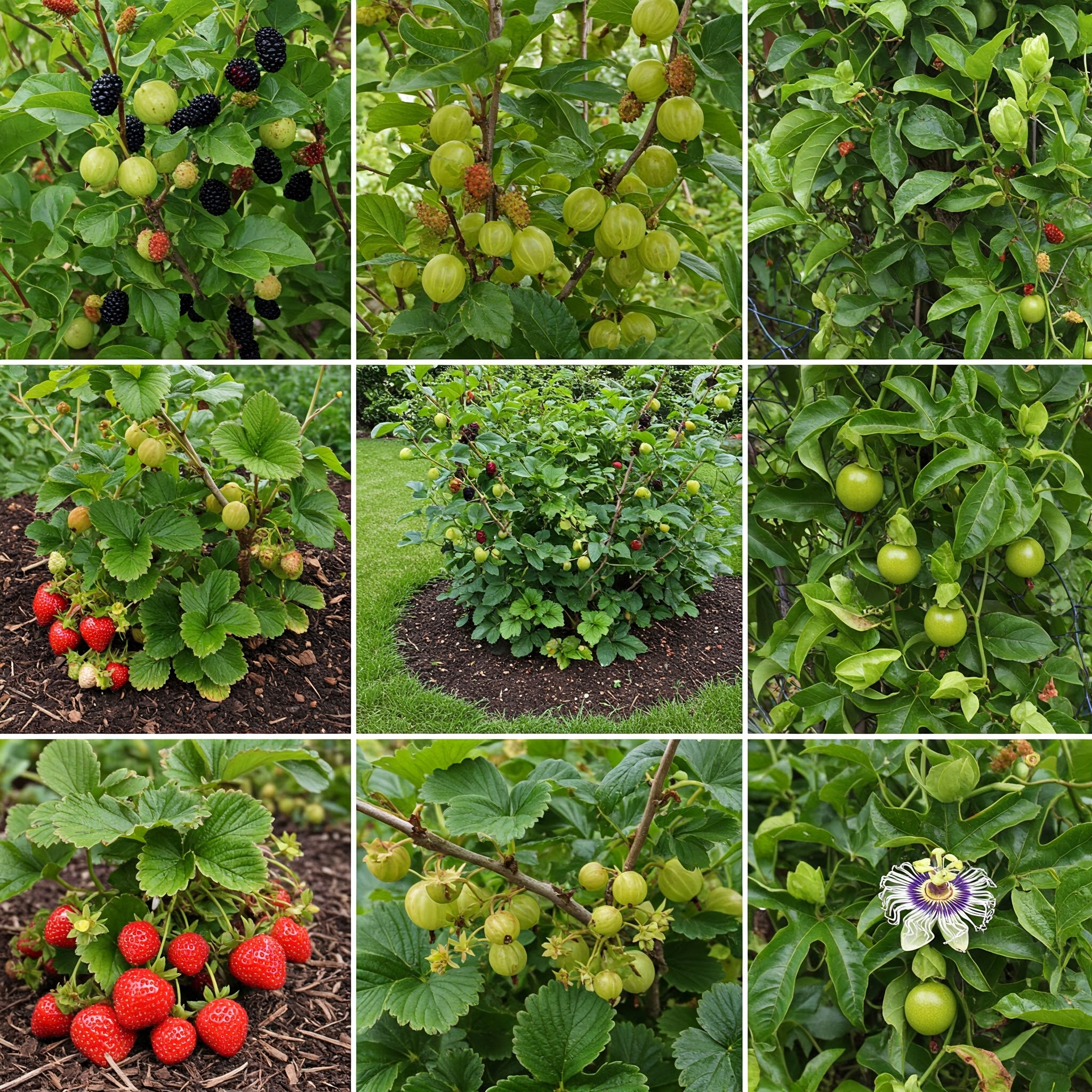
Some of the most potent health enhancers are tiny, juicy pills, so don’t be fooled by their size. These fruits add colour, flavour, and a healthy dose to your dish, whether you’re eating them raw or cooked. Let’s examine these four fruits in more detail: passionfruit, gooseberry, mulberry, and strawberry.
Strawberry
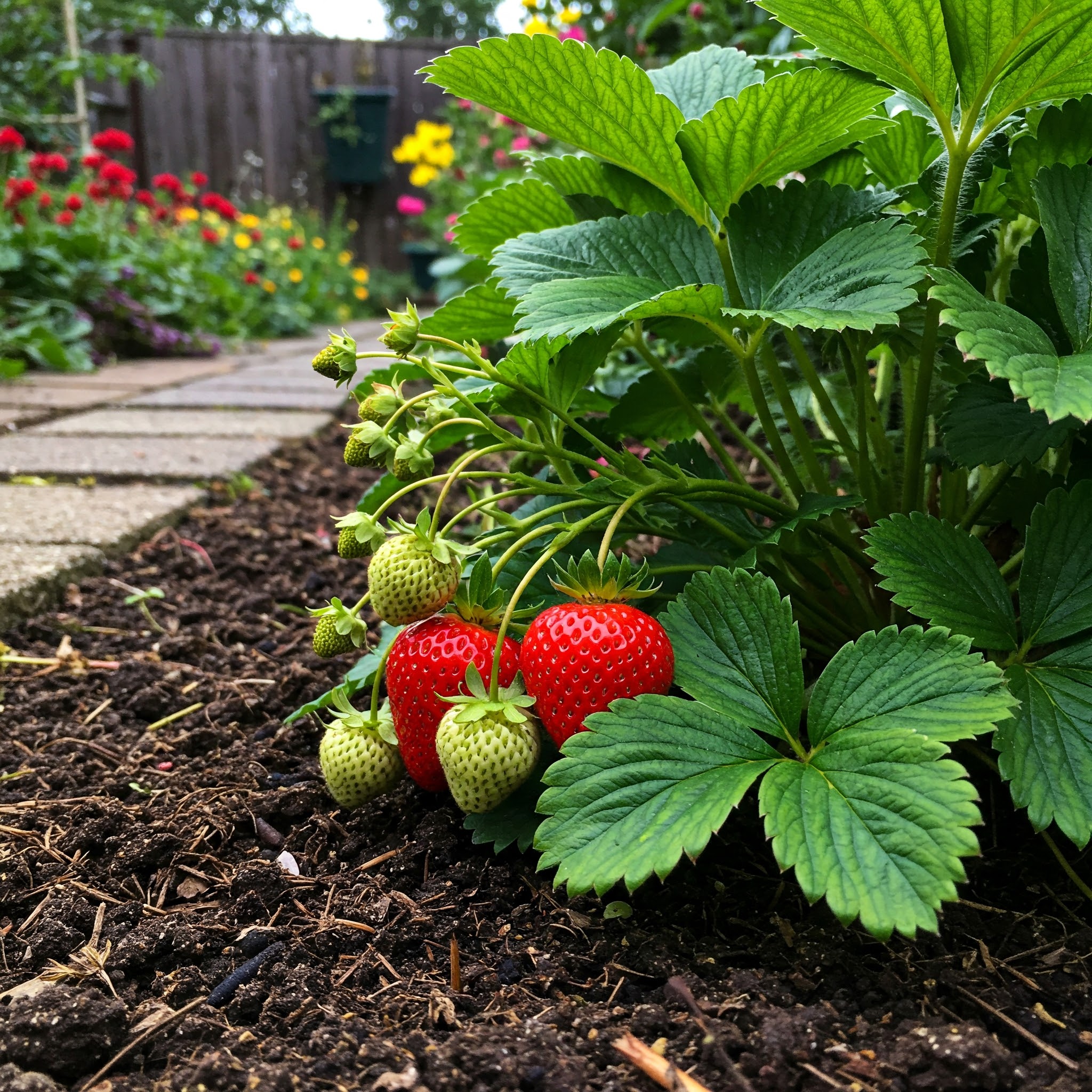
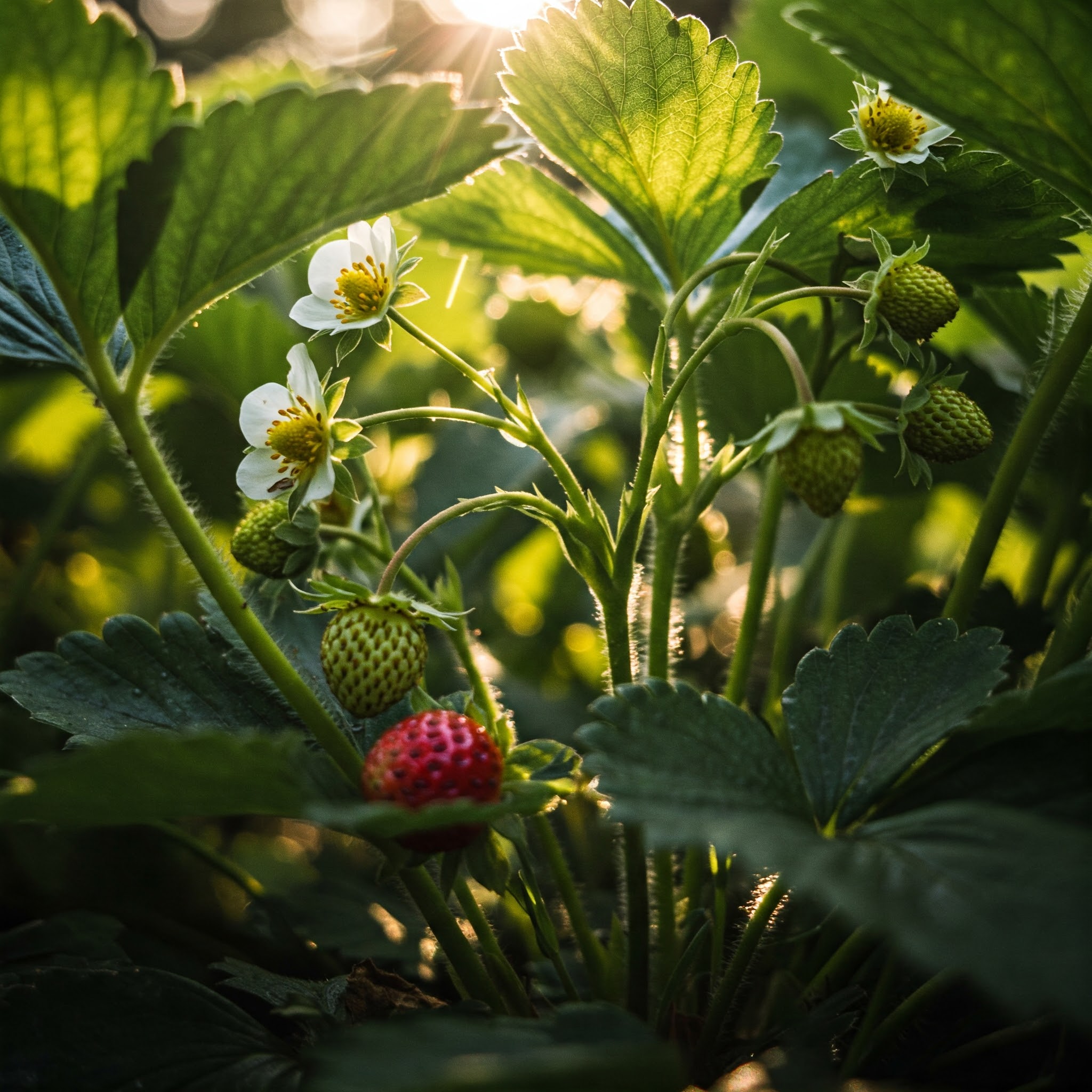
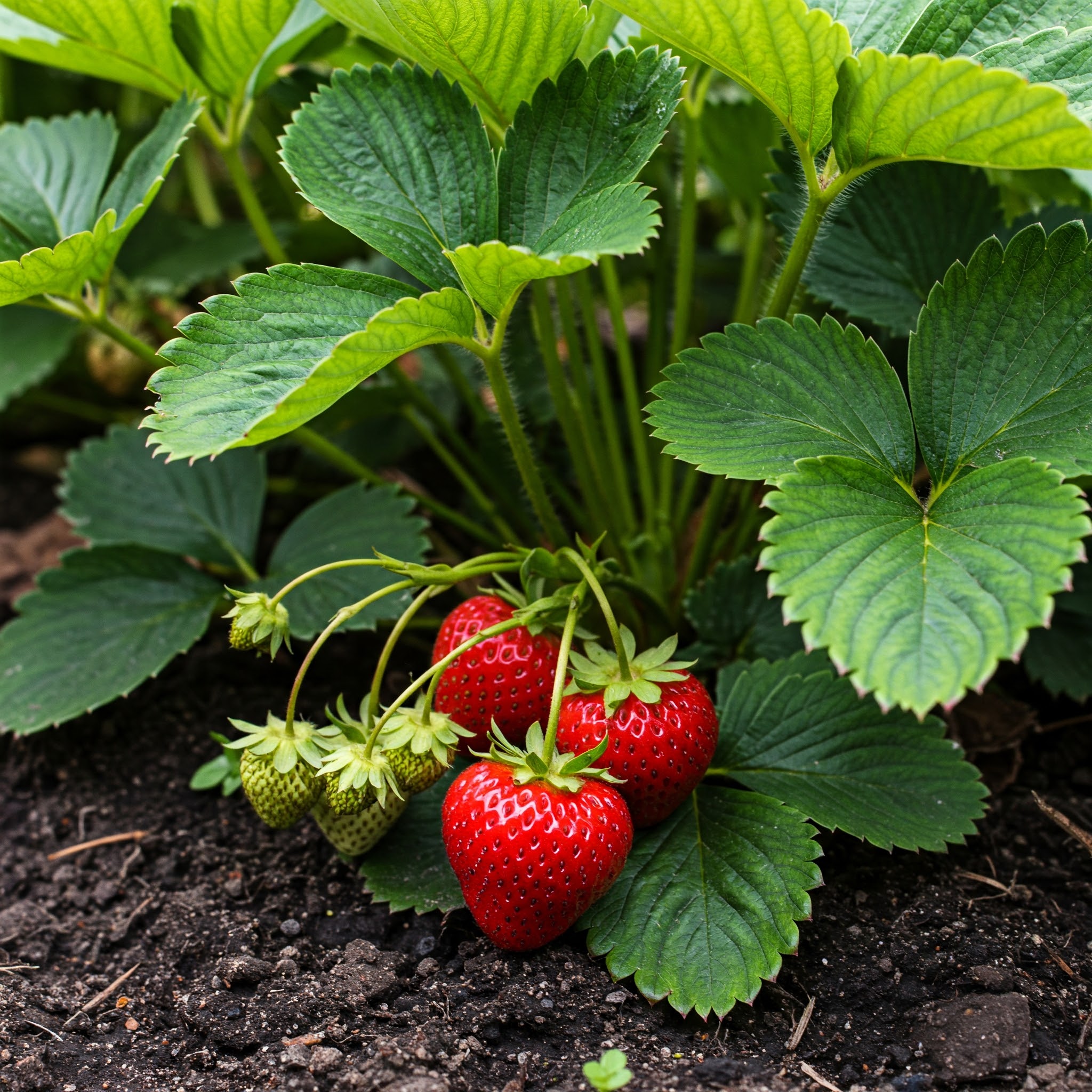
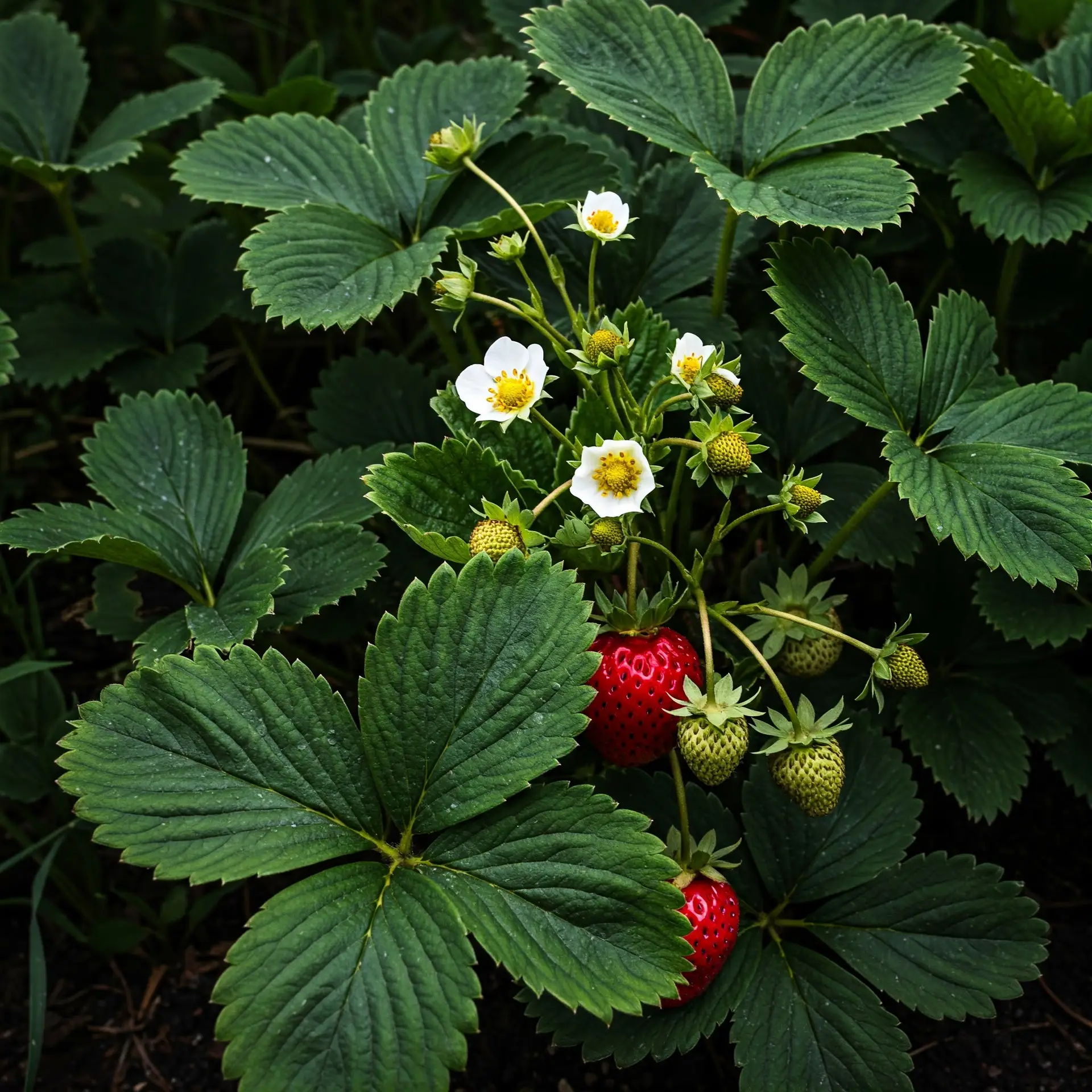
According to botany, a strawberry is classified as an “aggregate accessory fruit” rather than a real berry. The fleshy, red portion that we consume is the plant’s flower’s expanded receptacle, and the small “seeds” that appear on the outside are actually the fruits, known as achenes, which each contain a single seed. Strawberries come in a range of sizes and flavours, and they are valued for their sweetness, juicy texture, and perfume.
Pro-tip: Strawberries come in more than 600 types worldwide, each with its own flavour, size, and growing season. There is a strawberry for every taste, ranging from the big, juicy commercial kinds to the tiny, very flavourful wild strawberries.



Health Benefits:
Strawberries are a low-calorie, high-fiber fruit packed with essential vitamins, minerals, and potent antioxidants.
- Vitamin C Powerhouse: Compared to an orange, a single serving of strawberries (about eight berries) has more vitamin C. This potent antioxidant is essential for skin health, immune system performance, and cellular damage prevention.
- Heart Health: It has been demonstrated that substances found in strawberries, such as anthocyanins and quercetin, can help lower LDL (“bad”) cholesterol, lessen inflammation, and maintain normal blood pressure.
- Blood Sugar Regulation: Strawberries are a wonderful option for controlling blood sugar levels since, despite their sweetness, they are comparatively low in sugar and can help increase insulin sensitivity.
- Brain Health: Strawberries’ antioxidants and other healthy substances can shield the brain from oxidative stress and potentially prevent cognitive loss as you age.
Culinary Uses:
Strawberries’ sweet and adaptable flavour makes them a favourite in a variety of savoury and sweet recipes.
- Fresh: Fresh strawberries are the easiest and greatest to eat. They can be sliced for fruit salads, served with yoghurt or cream, or eaten as a nutritious snack on their own.
- Desserts: From pies and tarts to shortcakes, cheesecakes, and ice cream, strawberries are a traditional component of many sweets.
- Sauces and Jams: Their flavour may be intensified and boiled down, making them ideal for use in sweet sauces, compotes, and preserves.
- Savory Dishes: Feel free to use strawberries in savoury recipes. They work well with goat cheese, almonds, and balsamic vinegar, and give a bright, sweet contrast to salads made with greens like rocket.
Fun Facts:
- Achenes Count: The surface of an average strawberry contains about 200 microscopic “seeds” or achenes.
- Symbol of Love: Because of its red hue and heart-shaped form, the strawberry was seen as a representation of Venus, the Goddess of Love, in ancient Rome.
- Not a True Berry: A strawberry is not a true berry according to botanical definitions. A single flower with a single ovary gives rise to a real fruit, such as a blueberry.
Tips for Consumption:
- Selection: Strawberries should be firm, vivid red, and have a fresh green crown. Steer clear of mouldy or soft-spotted fruit.
- Storage: Wait until you’re ready to eat the strawberries before washing them. To avoid mould and bruises, keep them in the refrigerator in a single layer. It is recommended to eat them within a few days of buying them.
- Wash Gently: Strawberries can be cleaned by putting them in a colander and giving them a gentle rinse under cool running water. Steer clear of soaking them, as this may make them soggy and flavourless.
Gooseberry
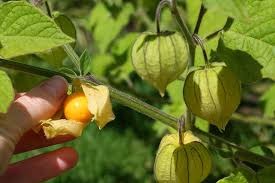
The prickly bushes that gooseberries grow on may put off some people, yet they are a vital component of the plant’s defence. The bushes can reach a height of several feet and are usually prickly. The actual berries are oval in shape, and some types have a surface that is hairy or thorny. They can grow alone or in tiny groups of two or three. The fruit’s colour is determined by its ripeness and variety; red and yellow berries are often sweeter and best eaten fresh, while green berries are most frequently used in cooking because of their sourness.
Pro tip: Gooseberry bushes thrive in cool, temperate settings and are incredibly resilient. They are an excellent option for home gardeners since, once established, they require little care and can provide up to 10 pounds of fruit per bush.

Health Benefits:
Low in calories yet high in vitamins, minerals, and potent antioxidants, gooseberries are a nutritional powerhouse.
- Rich in Vitamin C: Gooseberries are a great source of vitamin C, and one cup of them contains a large amount of the daily allowance. This potent antioxidant is essential for skin health, immune system performance, and cellular damage prevention.
- Digestive Health: Gooseberries are excellent for digestive health because of their high fibre content. Weight management benefits from the fiber’s ability to control bowel motions and promote feelings of fullness.
- Antioxidant Power: Gooseberries are a good source of flavonoids and anthocyanins, two types of antioxidants that have been linked to a lower risk of heart disease and some types of cancer.
- Bone Health: They contain vital elements that are necessary for strong bones, such as calcium and phosphorus.
Culinary Uses:
The versatility of gooseberries is what makes them so special. Their tartness when underripe makes them ideal for cooking, while their sweetness when ripe makes them perfect for fresh consumption.
- Desserts: The most well-known application of gooseberries is in desserts. They are a traditional option for pies, crumbles, and jams since the sugar balances their tartness. The classic English dish known as “Gooseberry Fool” is a delectable concoction of sweetened whipped cream and stewed gooseberries.
- Sauces and Chutneys: A tart sauce or chutney made from the berries can be boiled down and goes well with rich, savoury dishes like duck, roasted pig, or fatty fish like mackerel.
- Jams and Preserves: Gooseberries are a great fruit for jams, jellies, and preserves because of their high pectin content.
- Fresh Consumption: Ripe gooseberries with a higher sugar content can be consumed fresh as a tart and nutritious snack. For a zesty twist, they can also be added to cereals, yoghurt, and fruit salads.
Fun Facts:
- “Mackerel Berries”: The French term for gooseberries is “groseille à maquereau,” or “mackerel berries,” a reference to their traditional use in a mackerel sauce.
- A Cultivation Ban: Because gooseberries were carriers of a fungal disease that could endanger white pine trees, their cultivation was prohibited in many areas of the United States during the beginning of the 20th century. Although limitations still exist in some states, the ban has recently been abolished.
- Gooseberry Clubs: In the 19th century, “Gooseberry Clubs” were established in England, where participants fought to cultivate the biggest gooseberries. A peculiar custom that endures to this day are these contests.
Tips for Consumption:
- Top and Tail: You must “top and tail” gooseberries—that is, cut off the dried bloom end and short stem—before utilising them.
- Sweeten to Taste: Due to the naturally tart nature of gooseberries, sugar must be added to most recipes, particularly those for desserts, in order to balance the flavour.
- Ripe vs. Unripe: Keep in mind that riper, coloured green gooseberries are excellent for eating fresh, while unripe ones are best for cooking.
- Freezing: Gooseberries are excellent for freezing. Just give them a quick wash, top and tail, and then place them on a tray to freeze separately before moving them to a container or bag. This makes using them for prepared recipes later on simple.
Mulberry
The fruits of mulberries, which are technically a “multiple,” are clusters of numerous small, separate fruits that grow on deciduous trees. As they ripen, the berries’ colour changes from pale green to red, and when they reach full maturity, they turn a rich, dark purple or black. They are roughly 2 to 3 centimetres (3/4 to 1 1/4 inches) long. They are renowned for having a delicate, juicy, and soft texture.
Pro tip: Mulberries grow on trees, as opposed to low-lying shrubs, which are home to most berries. They are a beloved treat for home growers and are rarely found in shops since they ripen quickly and are difficult to preserve or transport.

Health Benefits:
Mulberries are not just delicious; they are also a nutritional powerhouse, packed with vitamins, minerals, and powerful antioxidants.
- Rich in Antioxidants: The deep colour of mulberries, particularly the darker types, is attributed to their high anthocyanin content. These antioxidants may have anti-inflammatory and anti-cancer effects and aid in shielding the body’s cells from harm brought on by free radicals.
- Good for Digestive Health: Mulberries are a good source of dietary fibre, which can help with feelings of fullness, regulate bowel motions, and support healthy digestion.
- Vitamin C Powerhouse: Mulberries, like many berries, are a great source of vitamin C, an essential antioxidant that helps the body absorb iron, boosts the immune system, and maintains healthy skin.
- Brain and Bone Health: Compounds like myricetin and rutin, which are found in mulberries, may have neuroprotective properties. Additionally, they are high in calcium, iron, and vitamin K—all of which are essential for healthy bones and bone health in general.
Culinary Uses:
The sweet and delicate flavor of mulberries makes them a versatile ingredient in the kitchen, often used in the same ways as blackberries and raspberries.
- Fresh: When mulberries are at their peak ripeness, they are the most delicious. They are a great addition to cereals, yoghurt, muesli, and fruit salads.
- Baked goods: They are ideal for baking because of their sweetness and juiciness. Pies, crumbles, muffins, and tarts can all be made using them.
- Sauces and Jams: Mulberries make great sauces, jellies, and jams due to their high pectin content and inherent sweetness. Waffles, pancakes, or ice cream can all be deliciously topped with a simple mulberry sauce.
- Beverages: Mulberries can be used to create wines, cordials, and tasty juices. A naturally sweet and delicious tea can also be made by steeping dried mulberries in hot water.
Fun Facts:
- Silkworm Food: Since silkworms can only eat the leaves of the white mulberry tree, the mulberry tree is crucial to the silk industry.
- Messy Trees: Mulberry trees are notoriously untidy. The dark-hued berries are ripe and readily leave stains on automobiles, pavements, and other surfaces.
- A Sign of Wisdom: The mulberry was revered in ancient Greece as a symbol of Minerva, the goddess of wisdom.
Tips for Consumption:
- Wait for Full Ripeness: Mulberries that aren’t ripe can taste extremely sour and irritate your stomach. Before picking, wait until the berries have a deep, black colour and are easily falling from the tree.
- Handle with Care: Mulberries bruise easily and are extremely sensitive. Don’t stack them too high and handle them with care.
- Wash Just Before Use: Mulberries should be cleaned right before eating, exactly like strawberries, to keep them from getting soggy and going bad.
- Freezing: Mulberries keep well in the freezer. Just place them on a baking sheet in a single layer, freeze until frozen, and then move them to a bag or airtight container. After that, they can be added to sauces, baked products, and smoothies.
Passionfruit
Usually around the size of an egg, the passion fruit has a round to oval form. Depending on the kind, the skin can be bright yellow or orange, or deep purple. The fruit’s outer skin frequently wrinkles as it ripens, indicating that the flesh within is at its sweetest. When you cut it open, you’ll see a golden-yellow or orange pulp that resembles jelly and is packed with small, crunchy, black seeds. A feast for the senses, the perfume is tropical and intensely fragrant.
Pro tip: The word “passion” in its name alludes to the Passion of Christ, not romance. In the sixteenth century, Spanish missionaries gave the vine’s blossom the name of the crucifixion, with the corona of the flower standing in for the crown of thorns.

Health Benefits:
Passion fruit is a nutritional powerhouse, packed with a unique combination of vitamins, minerals, and potent antioxidants.
- Rich in Antioxidants: Strong antioxidants like vitamin C, vitamin A, and polyphenols are abundant in the pulp and seeds. These substances support a strong immune system, lessen inflammation, and fight oxidative stress.
- Digestive Health: Dietary fibre, which is essential for a healthy digestive tract, is remarkably abundant in passion fruit. Weight management benefits from the fiber’s ability to control bowel movements and promote feelings of fullness.
- Heart Health: Passion fruit’s potassium and fibre content can help maintain heart health. Fibre helps reduce bad cholesterol, and potassium helps control blood pressure.
- Stress and Sleep Aid: According to some research, some of the molecules in passion fruit may have a relaxing, anxiolytic impact that would help people sleep better and deal with stress.
Culinary Uses:
The unique sweet-tart flavor of passion fruit makes it an incredibly versatile ingredient, especially in desserts and beverages.
- Fresh: Cutting passion fruit in half and using a spoon to remove the flesh is the easiest and most enjoyable method to consume it. The seeds have a delightful crunch and are completely edible.
- Desserts: Passion fruit is a traditional component in panna cotta, cheesecakes, tarts, and mousse. It strikes the ideal balance between the richness of dairy and its acidic flavour.
- Beverages: Passion fruit juice is a popular ingredient in smoothies, cocktails, and mocktails, and it makes a deliciously refreshing drink on its own.
- Dressings & Sauces: The acidic pulp can be used to make a glaze for roasted meats like fish or poultry, or a tasty sauce to drizzle over ice cream. It also creates a tangy salad vinaigrette.
Fun Facts:
- The Passion Flower: The vine that yields passion fruit is well-known for its exquisite and intricate blossoms, which are frequently cultivated just for aesthetic reasons.
- A Global Traveler: The passion fruit, which originated in South America, is now grown in tropical and subtropical climates across the globe, including Australia, South Africa, and Southeast Asia.
- Pepo-Type Berry: According to botany, passion fruit is categorised as a “pepo.”
Tips for Consumption:
- Selection: Choose fruits that are hefty and plump relative to their size. Avoid shrivelled or strongly fermented fruits, but a slightly wrinkled skin suggests a sweeter, riper fruit.
- Storage: You can keep ripe passion fruit in the fridge for a few weeks or at room temperature for a few days.
- Preparing: To avoid any bacteria from the rind contaminating the pulp, always wash the fruit’s exterior before slicing into it. Scoop the pulp into a blender, pulse for a few seconds to extract the juice from the seeds, and then sieve to extract the most juice.
- Edible Seeds: You can strain away the seeds if you want a smoother texture, but they are quite safe and a rich source of fibre.
Concluding remarks
These fruits are incredibly nutritious, flavourful, and rich in history, whether grown in the yard or the tropics. They’re a tasty way to start the day and naturally energise your body, whether you eat them raw or cooked.


