
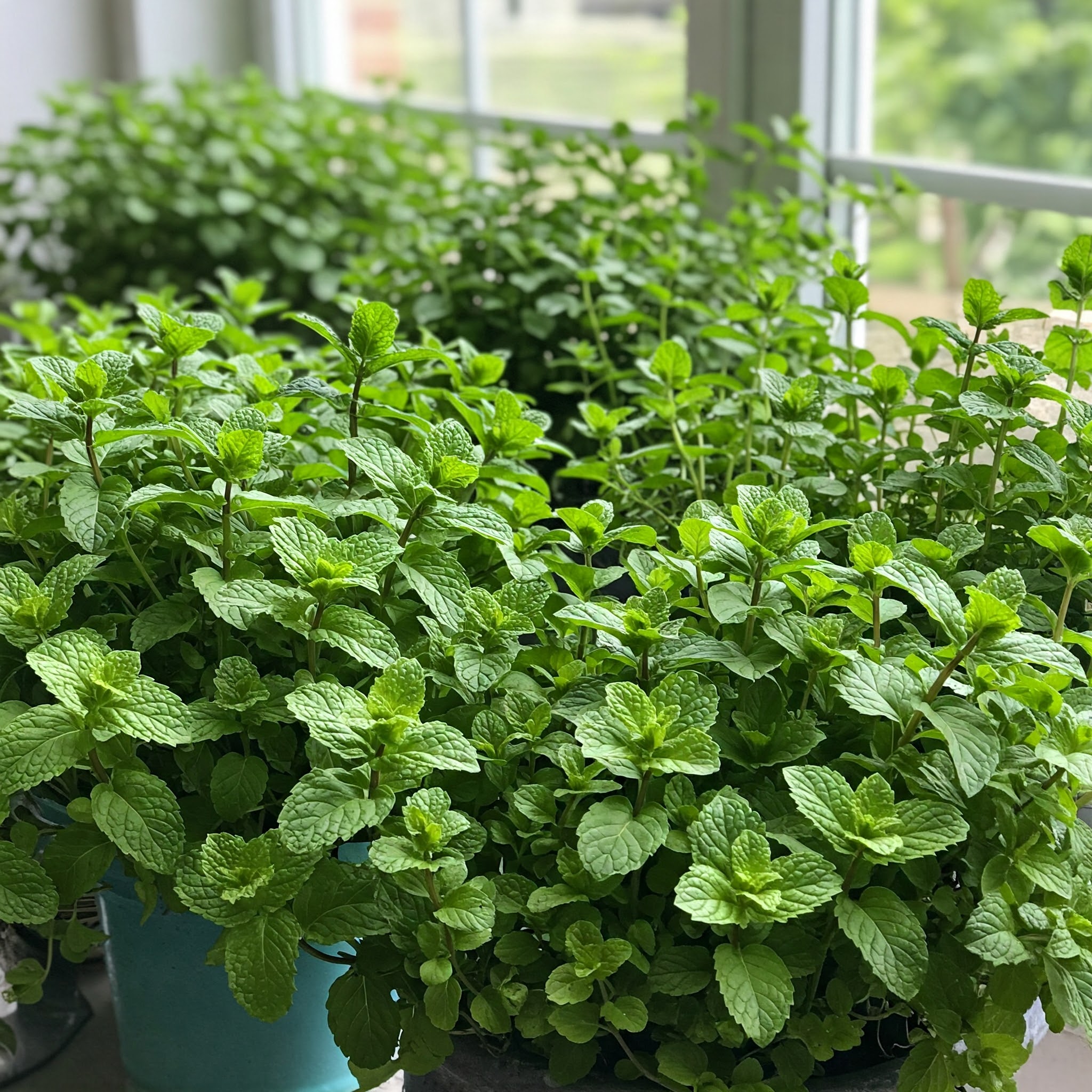
Mint is more than simply a cool plant; it has a rich history, many culinary uses, and health advantages. Every type of mint, from pineapple mint to peppermint, has special benefits. This is your comprehensive guide to the mint family, covering taste, health, and how to use each kind!
Peppermint
The perennial plant peppermint (Mentha × piperita) grows quickly and is distinguished by its square, purple stems and bright green, serrated leaves. It can grow up to three feet tall and bears tiny, violet blooms at the top of the plant in a spiral cluster. The peppermint plant’s strong, energising aroma, which results from the high menthol content of its leaves, is its most distinctive characteristic.
Pro tip: When planting peppermint, exercise caution! It spreads quite aggressively. To prevent it from taking over your garden, think about growing it in a container.


Health Benefits:
Due to its medicinal properties, peppermint has been utilized in traditional medicine for generations. These are a few of its most noteworthy health advantages:
- Digestive Aid: One well-known treatment for unsettled stomachs is peppermint. Indigestion, gas, and bloating symptoms may be lessened by the menthol in the leaves, which relaxes the muscles of the digestive system. A great post-dinner treat is peppermint tea.
- Relieves Headaches: The scent of peppermint oil has the potential to alleviate tension headaches. It can be soothing to apply a tiny bit of diluted peppermint oil to your forehead and temples.
- Boosts Focus and Memory: Research has indicated that the aroma of peppermint might enhance memory, focus, and alertness. This makes it an excellent option for a long study session or a noon pick-me-up.
- Soothes Respiratory Issues: Peppermint’s menthol serves as a natural expectorant and decongestant. You can relieve a cough and clean your sinuses by using a peppermint essential oil diffuser or by inhaling the vapour from peppermint tea.
Culinary Uses:
Peppermint is a popular ingredient in both savoury and sweet recipes because of its refreshing flavour.
- Beverages: It’s no wonder peppermint tea is a classic. Fresh or dried leaves can be used to create a calming, fragrant beverage. It also works well in cocktails (imagine a mint julep or mojito!) and iced teas and lemonades.
- Desserts: This herb goes well with chocolate, whether it’s used as the main ingredient in a peppermint patty or as a simple sprig on top of a chocolate cake. It’s also a fantastic flavour for candy, sorbet, and ice cream.
- Savory Dishes: Although less popular, peppermint may give savoury meals a novel and surprising twist. For a delicious flavour boost, try incorporating chopped fresh peppermint into a yoghurt dip, lamb rub, or salad.
Fun Facts:
- Mythological Roots: According to Greek mythology, the goddess Persephone became envious and turned the nymph Minthe into a peppermint plant. The plant’s lovely scent was subsequently bestowed by Minthe’s lover, Hades, so that everyone who walked on it might smell its sweetness.
- Ancient Use: Peppermint was used as a room refresher and to flavour foods and drinks by the ancient Greeks and Romans.
- A Natural Pest Repellent: Ants, spiders, and mice are naturally repelled by the potent aroma of peppermint. To deter pests, insert cotton balls containing a few drops of peppermint essential oil in trouble spots.
Tips for Consumption:
- Peppermint Tea: Steep 1-2 teaspoons of dried peppermint leaves (or a small handful of fresh leaves) in boiling water for 5–10 minutes to make a simple and calming tea.
- Peppermint Oil: Before using peppermint essential oil on your skin, always dilute it. A few drops of peppermint oil to one teaspoon of a carrier oil, such as almond or coconut oil, is a safe ratio.
- Fresh Leaves: Keep in mind that a small amount of fresh peppermint goes a long way when incorporating it into dishes. Add extra to taste after starting with a little amount.
Spearmint
The herbaceous perennial spearmint usually reaches a height of one to two feet. The name “spear-like” refers to the brilliant green, lance-shaped leaves with toothed margins that give it this look. The mint family is known for its square stems, and the plant spreads widely by underground rhizomes. It bears small, whorled blooms in the summer, which might be lavender, pink, or white, in slender, terminal spikes. Due to its significantly lower menthol content, spearmint has a softer flavour and aroma than peppermint.
Pro tip: Spearmint spreads quite enthusiastically, just as other mints. It is best grown in a pot or container to keep it from taking over your garden.

Health Benefits:
Since ancient times, spearmint has been utilised in traditional medicine, and its possible health advantages are becoming more widely acknowledged.
- Digestive Comfort: One common treatment for stomach problems is spearmint. Gas, bloating, and indigestion can be lessened by the digestive tract’s muscles being relaxed by the compound carvone, which is present in spearmint. After a meal, a cup of spearmint tea can be very calming.
- Hormone Regulation: Women with hormonal irregularities, especially those with Polycystic Ovary Syndrome (PCOS), may benefit from taking spearmint tea. According to studies, consuming spearmint tea may help raise female hormones required for ovulation and decrease testosterone levels.
- Aids Memory and Focus: According to certain studies, spearmint extract can enhance focus and working memory. It is therefore an excellent natural method of promoting cognitive performance.
- Antioxidant Powerhouse: Antioxidants, which are substances that shield your body from cellular harm brought on by free radicals, are abundant in spearmint. In addition to lowering the risk of chronic diseases, this can help reduce inflammation.
Culinary Uses:
Spearmint is popular in both savoury and sweet applications due to its mild and sweet flavour.
- Beverages: The main ingredient in traditional cocktails like the Mojito and Mint Julep is spearmint. It also produces a deliciously cool herbal tea, heated or cold.
- Savory Dishes: Spearmint gives savoury foods a crisp, refreshing flavour. It is an essential component of many Middle Eastern meals, such as tabbouleh salad, and goes well with lamb. It can also be added to marinades, dips (such as a yoghurt dip), and sauces.
- Desserts: Spearmint’s mild flavour is ideal for fruit salads, sorbets, and as a garnish for cakes and ice cream, while peppermint usually gets the stage for desserts.
Fun Facts:
- The “Spear”: “Spearmint” gets its name from the spiky flower clusters it produces and the pointed leaves it has.
- Ancient History: The naturalist Pliny referred to spearmint’s use as early as the first century AD. It was used to perfume baths and residences by the ancient Greeks and Romans.
- Popular Flavoring: Because of its clean, pleasant flavour, spearmint is one of the most popular flavourings for toothpaste and chewing gum.
Tips for Consumption:
- Fresh vs. Dried: The flavour of spearmint leaves is strongest when they are fresh. They can be muddled for drinks or added straight to dishes. Dried leaves can be kept for later use in an airtight container and are excellent for brewing tea.
- Making Tea: Steep a handful of fresh spearmint leaves or a teaspoon of dried leaves in boiling water for five to seven minutes to make a basic spearmint tea.
- Using in Cooking: To maintain the delicate flavour of fresh spearmint, add it towards the end of the cooking process. Before adding the leaves to your recipe, cut or muddle them for a stronger flavour.
Apple Mint
The herbaceous perennial apple mint usually reaches a height of one to three feet. One of its most distinctive characteristics is its spherical, slightly hairy, wrinkled leaves, which have been called “woolly” or “downy.” The leaves have a delightful, sweet aroma that is evocative of fresh apples when they are crushed. They have a bright, light green colour. It produces terminal spikes of tiny, whorled pink or white flowers in mid- to late-summer and grows via subterranean rhizomes. “Pineapple Mint,” a well-known variegated variety, features creamy-white patterning on its leaves that give it a beautiful flair.
Pro tip: Apple mint spreads aggressively, much as other mints. To keep it from taking over garden beds, grow it in a container.

Health Benefits:
Because of its gentle and calming qualities, apple mint has been utilised in traditional medicine.
- Digestive Aid: Apple mint is a great digestive aid, just like its mint siblings. It can relieve gas, bloating, and indigestion. The leaves make a soothing post-meal tea because they contain substances that can relax the digestive tract’s muscles.
- Rich in Antioxidants: Antioxidants, which are abundant in apple mint, help shield your body from cellular damage and lower inflammation.
- Aromatherapy and Mood Uplift: Apple mint’s pleasant, fruity aroma is both energising and soothing. It is frequently used in aromatherapy to enhance mood and encourage relaxation.
- Antimicrobial Properties: Because of its antibacterial and antimicrobial properties, apple mint has long been utilised in treatments for skin conditions and respiratory problems.
Culinary Uses:
Apple mint is a versatile herb because of its mild, sweet flavour, which is especially evident in foods that aren’t fried.
- Beverages: You can make a calming tea with apple mint, either hot or cold. With a more subdued flavour than spearmint, its delicious taste also makes it a great complement to fruit punches, lemonades, and drinks like a mojito.
- Fruit and Desserts: This mint’s “apple” flavour makes it a perfect addition to fruit salads, sorbets, and desserts that contain fruit. Use it as a garnish for cakes or pies, or just to add some freshness to a plain bowl of berries.
- Savory Dishes: Apple mint can be used in savoury meals, although its sweeter flavour profile is more appropriate for desserts. It may give salads, dressings, and vegetable side dishes a new touch and goes nicely with light meats like chicken or fish.
Fun Facts:
- Another Name: Apple mint’s fuzzy leaves have earned it the nickname “woolly mint.”
- Mojito’s Original Mint? The Cuban-native apple mint (Mentha×villosa, commonly known as yerba buena) is frequently regarded as the original and true mint for the well-known beverage, even if spearmint is the norm for contemporary mojitos.
- A Gardener’s Friend: While apple mint’s blossoms draw helpful pollinators like bees and butterflies, its potent aroma can help repel pests like ants and aphids.
Tips for Consumption:
- Fresh is Best: Fresh leaves are the finest way to savour the delicate, sweet flavour of apple mint.
- Making Tea: Just mash a handful of fresh apple mint leaves and steep them in boiling water for five to ten minutes to make a tasty and soothing tea.
- In Recipes: When using apple mint in hot meals, add it at the end of cooking to retain its delicate flavour. Just before serving, cut or tear the leaves for cold foods like salads or sauces.
Pineapple Mint
A herbaceous perennial with a sprawling form, pineapple mint grows slowly. Its soft, spherical, fuzzy leaves with a pretty cream-coloured or white variegation on the edges are its most remarkable characteristic. These leaves have a unique scent that is a lovely combination of pineapple and mint when crushed. Reaching a height of one to two feet, the plant has edible spikes of small, white or mauve blooms in late summer.
Pro tip: Too much sun can damage pineapple mint’s variegated leaves, causing them to lose their vivid characteristics. To preserve its lovely beauty, plant it in an area that receives some shade. It grows vigorously like other mints, so to keep it from spreading, keep it in a pot or bed with barriers.

Health Benefits:
With certain special uses because of its gentler flavour, pineapple mint offers many of the same general health advantages as its mint siblings.
- Gentle Digestive Aid: For many who find peppermint’s potent menthol too overwhelming, its mild flavour makes it an excellent option for calming an upset stomach, reducing bloating, and easing gas.
- Rich in Antioxidants: Antioxidants found in pineapple mint, like those found in other mints, help fight free radicals and promote general health.
- Aromatherapy: Pineapple mint’s pleasant, fruity aroma is energising and revitalising. It is frequently used in aromatherapy to promote calmness, elevate mood, and lessen tension.
Culinary Uses:
Pineapple mint’s fruity and sweet flavours make it a standout addition to savoury and sweet recipes, especially ones that don’t overpower its subtle flavour.
- Beverages: A great herbal tea with a hint of sweetness is pineapple mint. Additionally, it’s the ideal garnish for cocktails, iced teas, and fruit punches. For a distinctive, tropical twist, try using it in place of ordinary mint in a mojito.
- Desserts: Here’s where pineapple mint comes into its own. Its flavour goes well with fruit-based pastries, sorbets, ice cream, and fruit salads. To add a gorgeous and fresh garnish to your favourite dish, simply slice the leaves and sprinkle them on top.
- Savory Dishes: Although less popular, pineapple mint can give savoury meals a surprising and delectable twist. It adds brightness to fresh salsa or yoghurt sauce and goes well with light foods like grilled chicken or fish.
Fun Facts:
- “Woolly Mint”: Pineapple mint, a cultivar of apple mint, is sometimes known as “woolly mint” because of its fuzzy leaves.
- A Gardener’s Friend: While its blossoms draw helpful pollinators, pineapple mint’s potent aroma naturally repels common plant pests like aphids.
- Edible and Ornamental: This mint is a genuine multipurpose plant that is valued for both its culinary and medicinal uses in addition to its eye-catching, variegated foliage.
Tips for Consumption:
- Use It Fresh: The fresh leaves of pineapple mint have the greatest flavour. It is best used directly from the plant because drying greatly reduces the flavour.
- Making Tea: Just smash a handful of fresh pineapple mint leaves to release their oils, then soak them in hot water for 5 to 7 minutes to make a delicious cup of tea.
- In Recipes: Because of its delicate flavour, pineapple mint is best used as a last garnish in dishes or in cold applications where heat won’t change its flavour.
Orange Bergamot Mint
The perennial herb orange bergamot mint usually reaches a height of one to two feet. Its small, oval-shaped, dark green leaves, which can eventually take on a lovely purplish colour on the stems, are its most distinctive feature. When bruised, the silky leaves emit a wonderful aroma that is frequently likened to Earl Grey tea. At the top of the stalks, the plant has clusters of tiny lavender or mauve blooms in late summer. Grow it in a confined area since, like other mints, it spreads quickly by runners.

Health Benefits:
With a few extra benefits from its distinct chemical composition, orange bergamot mint offers health benefits that are comparable to those of other mints.
- Aromatherapy and Mood: This mint’s soothing, zesty, and flowery perfume is ideal for aromatherapy. The scent has a reputation for being uplifting and for easing anxiety and tension.
- Digestive Comfort: It’s a great digestive aid, just like other mints. An upset stomach, gas, and indigestion can all be eased with a tea brewed with orange bergamot mint.
- Antioxidant Properties: Orange Bergamot Mint, a member of the mint family, is high in antioxidants that can boost general health and shield your body from cellular harm.
Culinary Uses:
Orange Bergamot Mint’s unique flavour makes it a versatile ingredient in savoury and sweet recipes, especially when its characteristic floral and citrussy overtones are highlighted.
- Beverages: Its flavour is ideal for making an iced or hot herbal tea that is refreshing. It’s also a great addition to punches and cocktails, particularly ones that benefit from the citrus-mint blend.
- Desserts: This mint’s Earl Grey-like flavour goes well with chocolate. It also adds a surprising yet delicious twist to fruit tarts, sorbets, and salads, making it a great garnish.
- Savory Dishes: Savoury foods can benefit from the refreshing accent that orange bergamot mint adds. It’s a great herb to use in sauces, dressings, or to add some colour to salads, and it pairs nicely with lamb and poultry.
Fun Facts:
- Eau de Cologne: The herb’s use in cosmetics and fragrances, where its lovely citrus and floral overtones were a valued element, is where the name “Eau de Cologne Mint” originates.
- Earl Grey Connection: Although the rind of the bergamot orange is generally used to make Earl Grey tea, this mint has a very similar scent, which is why it is also known as Bergamot Mint.
- Attracts Pollinators: Orange Bergamot Mint is a wonderful addition to a pollinator garden since its blooms attract helpful pollinators like bees and butterflies.
Tips for Consumption:
- Fresh is Best: It is ideal to use fresh Orange Bergamot Mint leaves to get the full citrussy and floral flavour.
- Making Tea: For a basic tea, simmer a handful of fresh leaves in boiling water for five to ten minutes after bruising them to release their essential oils.
- In Recipes: Use the leaves as a final garnish or use them towards the end of cooking in hot meals to retain their delicate flavour. To unleash its fragrant oils, the herb can be blended in cocktails or diced and used in salad dressings.
Peppermint Scented Geranium
The Peppermint Scented Geranium is a perennial subshrub that spreads widely and grows slowly. Its leaves are big and velvety, like palms. The leaves feel velvety to the touch and have a fuzzy, downy texture due to their small, silky hairs. The leaves have a pungent, fresh peppermint aroma when crushed or massaged. The plant is an excellent groundcover or container plant because it may reach heights of 2 feet and widths of 3 feet. Delicate clusters of tiny, white flowers with purplish streaks on the upper petals are produced in the summer.
Pro tip: In hotter climes, this plant prefers afternoon shadow to keep its leaves from burning, even if it likes full light. It also grows nicely in soil that drains well.

Health Benefits:
It is worth noting that peppermint scented geranium has health benefits that are mainly linked to the essential oil that is produced from its leaves.
- Aromatherapy: In aromatherapy, the oil is used to treat weariness, worry, and stress. It has a soothing aroma that can raise your spirits.
- Skin Health: Because of its well-known anti-inflammatory and antibacterial qualities, the essential oil is helpful for a number of skin disorders, including acne, dermatitis, and eczema. Additionally, it can support healthy, glowing skin and manage oil production.
- Hormone Support: According to some research, geranium oil may help control hormone levels and lessen the symptoms of menopause and PMS, which are linked to hormonal changes.
Culinary Uses:
The peppermint scent of the leaves translates into a strong, minty flavor, making this plant an excellent culinary herb. However, it’s important to note that the leaves themselves are quite fuzzy and not pleasant to chew, so the flavor is best infused into other ingredients.
- Infusions: For adding flavour to drinks, the leaves are ideal. Fresh or dried peppermint leaves can be steeped in boiling water to create a cool tea with a peppermint fragrance.
- Baking: A traditional application for peppermint scented geranium is to place a few leaves around the bottom of a cake or muffin pan before filling it with batter. The flavour is released and infused into the baked item by the heat. Before serving, the leaves are taken off.
- Syrups and Jellies: The leaves can be used to flavour homemade jams and jellies or to produce a tasty syrup to drizzle over desserts.
- Dessert Garnish: Cakes, ice cream, and other delicacies can be adorned with the fragrant and aesthetically pleasing flowers and leaves.
Fun Facts:
- Botanical Mix-up: The common name “geranium” is a botanical error from the past. This plant belongs to the genus Pelargonium, which was once classed with the genus Geranium. Despite their differences, the common name has endured.
- A Natural Bug Repellent: When brushed against, the leaves’ potent aroma can help keep insects and other pests like mosquitoes away.
- Dual Purpose: This plant is prized for both its culinary uses and its lovely, velvety foliage. It is both delicious and ornamental.
Tips for Consumption:
- Wash Thoroughly: Before using the leaves in any culinary preparation, always wash them, especially if the plant was cultivated outside.
- Infuse, Don’t Chew: Keep in mind that because of their fuzzy texture, the leaves are not intended to be consumed whole. The secret is to add the flavour to meals or beverages and then take the leaves out before eating.
- Start Small: It has a strong flavour! Your recipe should start with a small number of leaves and be adjusted to taste. Usually, one to three leaves are sufficient to flavour a whole meal.
Concluding remarks
There is a mint for every need, whether you want to improve your mood, relieve digestive problems, or improve your cooking skills. Try cultivating a few types at home; they are very rewarding and low maintenance!


